When people search for “posts on the blog interworldradio,” they are usually looking for information about the articles, guides, stories, and other written content associated with InterworldRadio. Current pages connected with InterworldRadio describe the platform as an online space where readers can explore radio, audio media, technology, culture, communication, and related digital topics. One current InterworldRadio page says its blog provides insights into radio, audio storytelling, broadcasting technology, podcasting, and interviews with people involved in the industry.
The phrase itself is interesting because it can refer to more than one thing. A reader may want to discover existing articles, while a writer may be searching for information about publishing content on the platform. Either way, understanding the nature of the content makes the search much easier. Instead of thinking about the blog as simply a collection of random articles, it is better to view it as a digital publishing space where different subjects can connect through the broader themes of communication, media, technology, and global audiences.
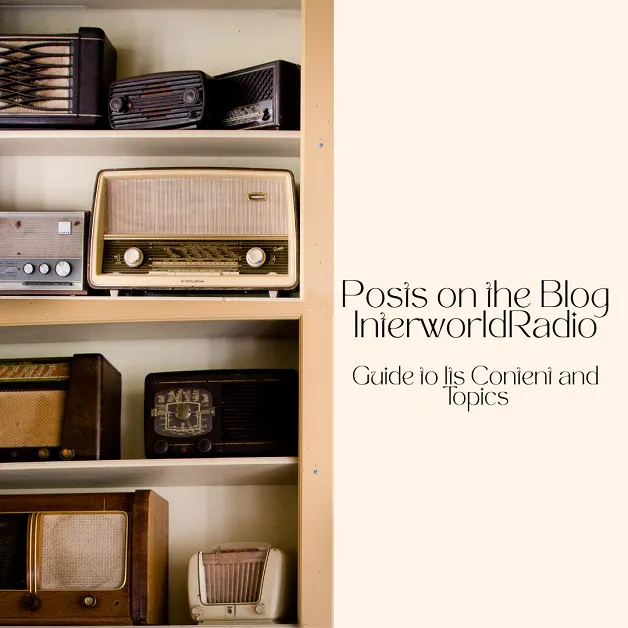
The Purpose Behind InterworldRadio Content
The purpose of InterworldRadio-related content is centered on informing and engaging readers. Current material associated with the platform describes its goal as connecting people through stories, ideas, radio, and digital media. The blog content also reflects the changing relationship between traditional broadcasting and online publishing, where written articles, audio programs, streaming, and social media can work together rather than existing as completely separate formats.
That approach matters because modern audiences consume information differently from previous generations. A person might listen to a podcast in the morning, read a technology article during lunch, watch a video in the evening, and discover a radio program through social media. A blog that understands this behavior can become more than an information page. It can become a bridge between different forms of digital media.
Who Reads InterworldRadio Posts?
The potential audience is broad. Radio enthusiasts may be interested in broadcasting and audio content, while casual readers may prefer technology, culture, lifestyle, or digital trends. Current InterworldRadio pages describe content aimed at both experienced radio enthusiasts and newcomers who want to understand the wider world of broadcasting and online media.
This broad audience creates an interesting challenge for writers. A successful post needs enough detail to be useful without becoming unnecessarily complicated. Imagine explaining a radio transmitter to an experienced engineer and a complete beginner at the same time. The best approach is to explain the basic idea clearly, then gradually introduce more advanced information. That style makes an article useful to a larger group of readers.
What Topics Do InterworldRadio Posts Cover?
The subjects associated with posts on the blog InterworldRadio are not limited to one narrow category. Current pages show articles and guides related to radio, digital media, communication, technology, culture, and broader online trends. Recent content also includes guides about writing for InterWorldRadio, finding and posting content, and understanding the platform’s role in digital broadcasting.
This variety gives readers room to explore. Someone may arrive because they are searching for radio information and then discover an article about digital communication. Another visitor might begin with a technology article and eventually explore broadcasting content. That type of cross-topic discovery is one of the advantages of a multi-topic blog.
Radio and Digital Media
Radio remains one of the central themes connected with InterworldRadio. Yet modern radio is no longer limited to a traditional FM or AM receiver. Online streaming, podcasts, digital production, mobile applications, social platforms, and on-demand audio have transformed how audiences discover and consume broadcasts.
Posts discussing radio in a modern context can therefore cover many different questions. How does online broadcasting work? What equipment does a new broadcaster need? How can independent creators reach international listeners? What role does podcasting play in the future of radio? These questions make radio content relevant even to people who rarely use a traditional radio set.
Technology and Innovation
Technology is another important area in the broader InterworldRadio content ecosystem. Modern broadcasting depends heavily on digital tools, software, streaming technology, microphones, editing platforms, distribution systems, and internet infrastructure.
A useful technology post does not simply list new tools. It explains why the technology matters. For example, an article about digital audio production could explain how better editing software helps creators produce cleaner recordings. A discussion about streaming technology could explain how internet distribution allows broadcasters to reach listeners far beyond their local geographic area.
Culture, Lifestyle, and Global Stories
Radio has always been closely connected with culture. Music, interviews, storytelling, community programs, and international broadcasts allow listeners to experience perspectives that may be unfamiliar to them. InterworldRadio-related pages also describe global stories, culture, lifestyle, and communication as areas of interest.
This makes the blog potentially valuable beyond the technical side of broadcasting. A good cultural article can introduce readers to different traditions, creative communities, or media habits. The internet may connect the world technically, but storytelling is what makes those connections meaningful.
Why Are Posts on the Blog InterworldRadio Popular?
One reason people search for posts on the blog InterworldRadio is the growing interest in specialized digital content. Readers want information that is easier to understand than a technical manual and more focused than a general news website. A well-structured blog post can occupy that middle ground.
Another reason is accessibility. Online articles can be read from almost anywhere, and readers can choose exactly what interests them. They do not need to wait for a scheduled broadcast. They can search for an article, scan the headings, read the relevant section, and return later when they have more time.
Current InterworldRadio content also emphasizes practical guides and reader-focused information. For example, recent articles discuss how to write for the platform, how to pitch content, and how to format material for online readers.
How to Find Useful InterworldRadio Posts
Finding useful InterworldRadio blog posts becomes easier when you search by topic instead of relying only on the site’s homepage. If your interest is radio, search for broadcasting-related terms. If you want writing advice, look for content about submissions, pitching, formatting, and SEO. If you are interested in digital media, explore articles discussing technology and online communication.
The site’s current pages also show a range of recent articles and categories, making internal navigation another useful way to discover content.
When evaluating an article, ask three simple questions:
- Does it answer the question I searched for?
- Does it provide specific and useful information?
- Does it distinguish facts from opinions or promotional claims?
These questions can save time. The internet contains an enormous amount of content, but quantity does not always equal quality.
What Makes an InterworldRadio Blog Post Valuable?
A valuable post starts with a clear purpose. Readers should understand what they will learn within the opening section. From there, the writer should use logical headings, examples, useful explanations, and a natural flow.
Current guidance published on InterWorldRadio about writing emphasizes elements such as strong hooks, suitable formatting, readable structure, and SEO considerations.
Clear Information and Readable Structure
A reader should never have to fight through an article to find its main point. Shorter sentences, descriptive headings, and logical sections make online reading easier. This is particularly important on mobile devices, where large blocks of text can feel overwhelming.
Good structure works almost like road signs. Each heading tells the reader what comes next. Each paragraph moves the discussion forward. By the time the reader concludes, the journey should feel natural rather than confusing.
Original Ideas and Practical Value
Originality does not always mean discovering something nobody has ever discussed. It can mean explaining a familiar subject in a clearer way, adding a useful example, presenting a different perspective, or connecting two related ideas.
Practical value is equally important. A reader should finish an article with something useful. Perhaps they learned how to pitch a story, understand a broadcasting term, choose audio equipment, or evaluate a digital media trend. That sense of usefulness encourages people to return.
Writing for the InterworldRadio Blog
For writers interested in writing on the InterworldRadio blog, understanding the audience should come before writing the first paragraph. Current InterworldRadio guidance recommends choosing suitable topics, preparing focused pitches, formatting content for online readers, and considering SEO.
A good pitch should communicate the idea quickly. Instead of sending a vague proposal such as “I want to write about radio,” a writer can identify a specific problem or question. For example, a focused idea could examine how independent broadcasters can build international audiences through online streaming.
The difference is significant. The first pitch describes a broad subject. The second presents a clear story.
Writers should also think about evidence. If an article discusses technology, business, broadcasting trends, or other factual subjects, reliable sources can strengthen credibility. Strong writing is not only about sounding confident. It is about giving readers reasons to believe the information.
SEO Best Practices for InterworldRadio Posts
SEO can help an article reach readers who are actively searching for its subject. For a keyword such as “posts on the blog interworldradio,” the writer should use the phrase naturally rather than forcing it into every paragraph.
A good SEO structure may include the keyword in the title, introduction, selected headings, and conclusion when appropriate. Related terms can provide additional context. Examples include InterworldRadio blog, InterworldRadio posts, writing for InterWorldRadio, radio blog, digital broadcasting, and audio media.
The goal is not keyword repetition. Search engines increasingly evaluate whether content actually satisfies the reader’s intent. If someone searches for “posts on the blog interworldradio,” they probably want to know what the posts are about, what topics they cover, why they matter, and where they can find useful content. A strong article answers those questions directly.
Are InterworldRadio Posts Useful for Beginners?
Yes, many types of InterworldRadio-related posts can be useful to beginners because the subjects can be approached from a practical perspective. A newcomer does not necessarily need advanced broadcasting knowledge to understand an article about online radio, podcasts, digital communication, or content creation.
The best beginner content starts with fundamentals. What is the technology? Why is it used? How does it work? What should a new user know before trying it? Once those questions are answered, the writer can introduce more advanced concepts.
This educational structure makes a blog more approachable. It is similar to learning to drive: nobody expects a beginner to understand every component inside an engine before starting the car. First, learn the controls. Then understand the road. Eventually, deeper technical knowledge can follow.
The Role of InterworldRadio in Digital Media
The larger significance of InterworldRadio comes from the continuing convergence of radio and digital publishing. Traditional broadcasting once depended heavily on geographic reach. Online distribution has changed that equation. A creator can potentially publish content for listeners and readers far beyond a local broadcast area.
Written blog posts support that ecosystem by providing information that can be searched, shared, referenced, and revisited. Audio has the advantage of immediacy and personality, while written content provides convenience and searchable detail. When both formats work together, they can create a stronger digital experience.
Current InterworldRadio material reflects this broader relationship between radio, online media, interviews, podcasting, and digital communication.
Final Thoughts
Posts on the blog InterworldRadio represent an interesting part of the broader digital publishing landscape surrounding radio, audio, technology, communication, and global storytelling. Current InterworldRadio pages show content ranging from radio guides and digital-media discussions to writing advice and practical information for contributors.
For readers, the value comes from discovering useful information in an accessible format. For writers, the platform represents an opportunity to explore subjects related to broadcasting, digital culture, communication, and technology. The strongest articles are likely to be those that understand their audience, provide specific value, use clear organization, and avoid unnecessary complexity.
If you are searching for posts on the blog InterworldRadio, start with your specific interest and explore from there. Whether you care about radio, digital media, writing, technology, or global stories, focused searching can help you find content that matches your needs.
What are posts on the blog InterworldRadio?
They are written articles and guides associated with InterworldRadio and related online media content. Topics can include radio, broadcasting, technology, communication, culture, and digital media.
What topics does the InterworldRadio blog cover?
Current pages show topics involving radio and audio media, digital broadcasting, technology, communication, culture, interviews, podcasting, and broader digital trends.
Can beginners understand InterworldRadio posts?
Many posts can be useful for beginners because they explain concepts, trends, and practical topics in an accessible format. Readers should select articles that match their existing level of knowledge.
Can writers contribute to InterworldRadio?
Current InterWorldRadio guidance discusses writing, pitching, formatting, publishing, and SEO for contributors, suggesting that writing opportunities are part of the platform’s content ecosystem.
How can I find the best InterworldRadio posts?
Start by identifying the topic you need, then use the site’s categories, search features, and recent-post listings. Checking the article’s date, sources, purpose, and relevance can also help you determine whether it is useful.